
Expert Insights: Common HVAC Misconceptions Debunked
RA
Understanding HVAC Efficiency
Many homeowners believe that a larger HVAC system will always perform better. However, this is a common misconception. An oversized system can lead to frequent cycling, which wastes energy and can result in inconsistent temperatures within your home. Proper sizing is crucial for optimal efficiency and comfort.
Another myth is that closing vents in unused rooms saves energy. While it might seem logical, this practice can actually increase pressure in the ductwork, causing leaks and reducing the system's efficiency.

Thermostat Settings and Energy Use
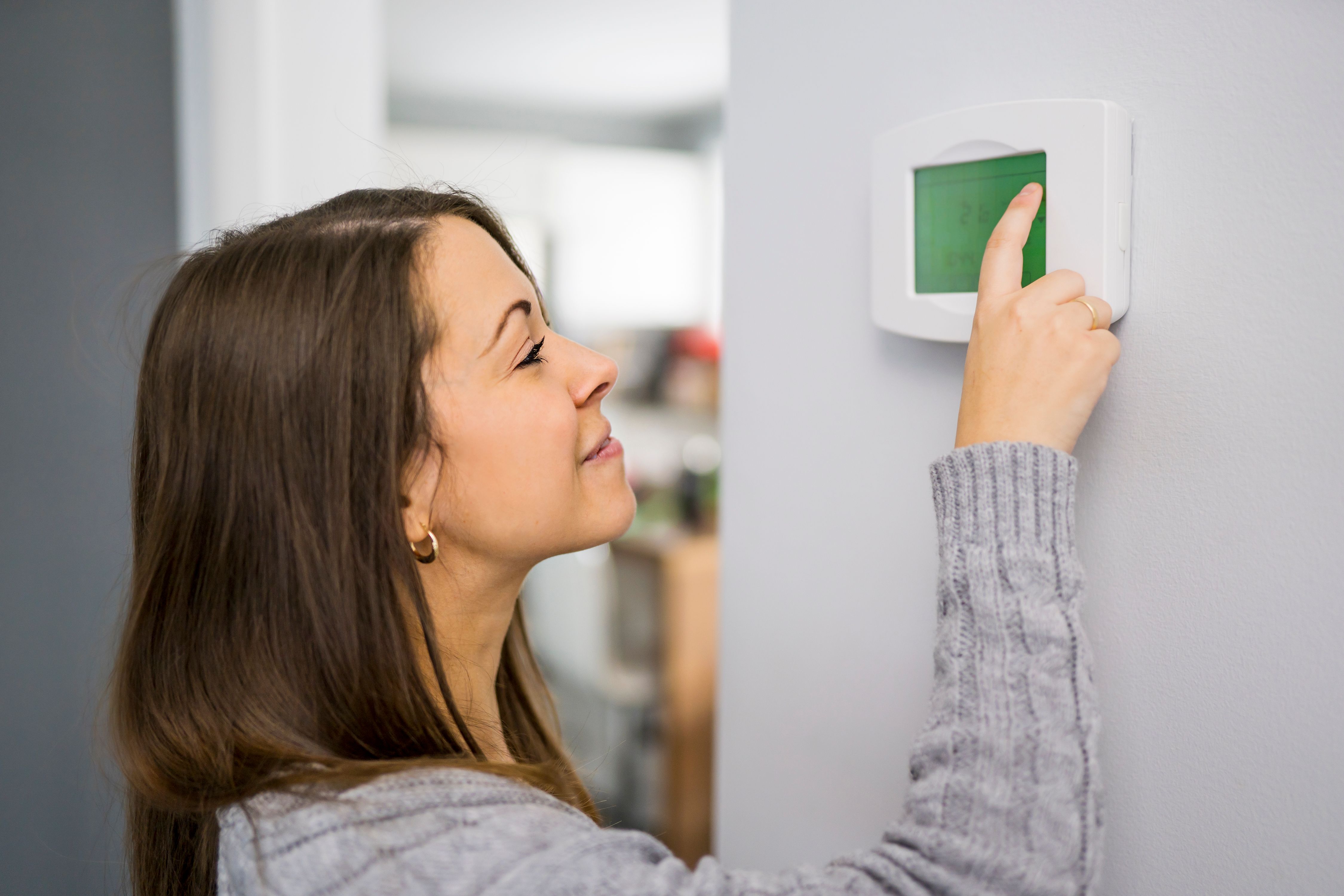
It's a widespread belief that setting your thermostat to an extreme temperature will heat or cool your home faster. In reality, HVAC systems operate at a constant rate. Setting extreme temperatures only forces the system to run longer, not faster.
Consider investing in a programmable thermostat. This allows you to schedule temperature adjustments, optimizing energy use without sacrificing comfort.
Maintenance Misunderstandings
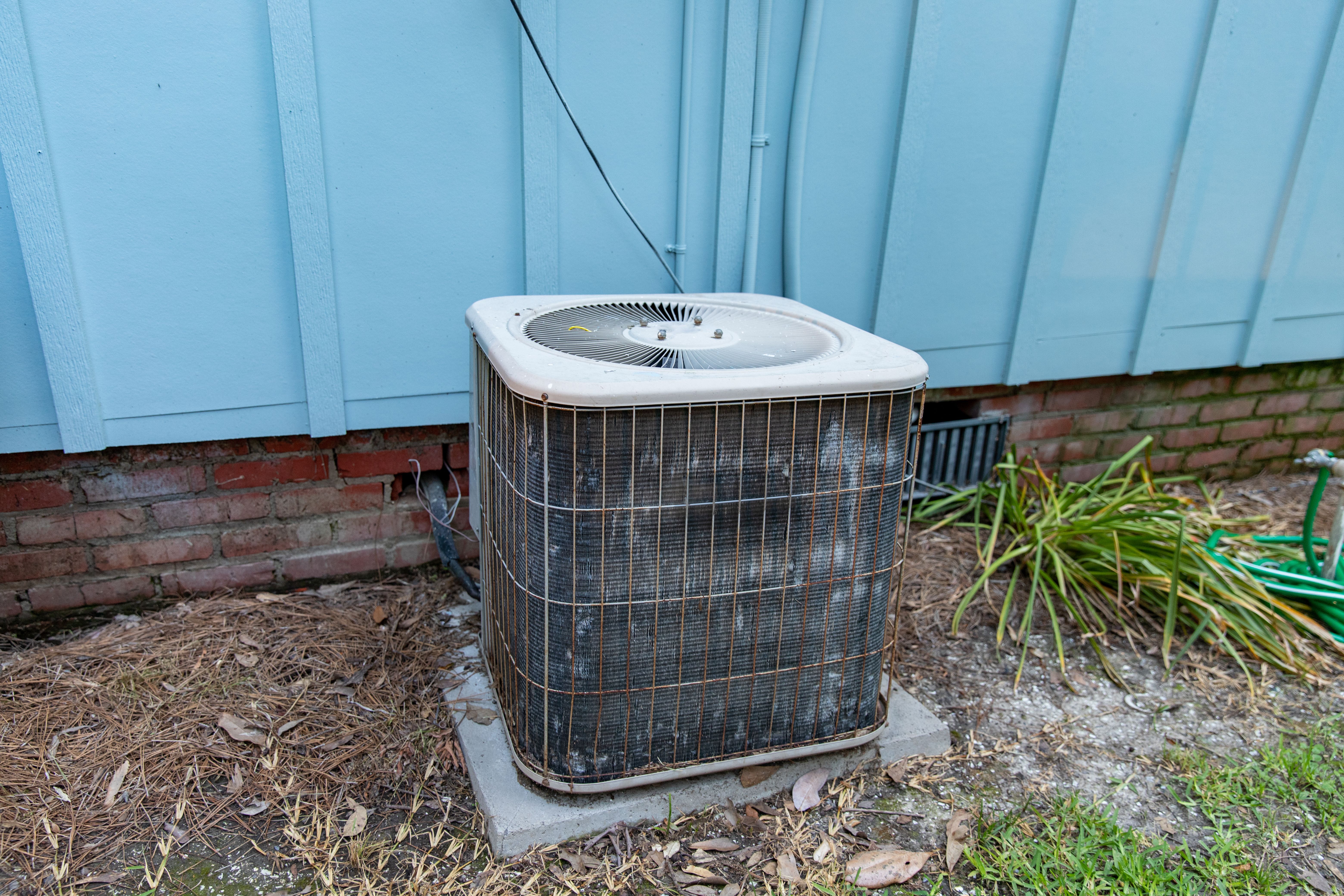
Regular maintenance is often overlooked, with many assuming it's unnecessary if the system appears to be functioning normally. However, routine inspections and tune-ups are vital for extending your HVAC system's lifespan and maintaining efficiency.
Ignoring maintenance can lead to unexpected breakdowns and costly repairs. Key tasks include changing air filters regularly and checking for refrigerant leaks.

Air Quality Concerns
A common misconception is that HVAC systems inherently improve air quality. While they do circulate air, they don't automatically filter out pollutants. Installing high-quality air filters and possibly an air purifier can significantly enhance indoor air quality.
Be cautious of over-relying on air fresheners, which can mask odors but not address underlying air quality issues.
Understanding System Lifespan
Many believe that an HVAC system will last indefinitely. While these systems are durable, they do have a finite lifespan, typically ranging from 10 to 15 years with proper care.
Recognizing signs of aging, such as increased noise and frequent repairs, can help you plan for a replacement before a complete system failure occurs.
Conclusion
Understanding these common HVAC misconceptions can help you make informed decisions about your home’s heating and cooling needs. Regular maintenance and accurate information are key to maximizing efficiency and comfort.
Consulting with an HVAC professional can provide tailored advice for your specific system and needs, ensuring a comfortable and efficient home environment.