
DIY HVAC Troubleshooting: What You Can Do Before Calling a Pro
RA
Maintaining a comfortable home environment often relies on the smooth operation of your HVAC system. However, when it stops working efficiently, it can be both frustrating and costly. Before you call in a professional, there are several troubleshooting steps you can try on your own.
Check the Thermostat
The thermostat is often the first place to inspect. Make sure it is set to the correct mode—either heating or cooling—and that the temperature setting is appropriate. Sometimes, the issue can be as simple as needing new batteries.
If your thermostat is programmable, ensure that the schedule is set correctly. An incorrect schedule can cause your HVAC system to operate at the wrong times, leading to discomfort and inefficiency.

Inspect the Air Filters
A clogged or dirty air filter can significantly impact the performance of your HVAC system. It restricts airflow, forcing the system to work harder and less efficiently. Check your filters every month and replace them if they appear dirty or clogged.
Regularly changing your air filters will improve the air quality in your home and prolong the life of your HVAC system. Most manufacturers recommend changing filters every 1-3 months, depending on usage and air quality.
Examine Circuit Breakers and Power Supply
If your HVAC system is not turning on, the issue might be with the power supply. Check the circuit breaker panel to see if any breakers have tripped. If so, reset them and see if this resolves the issue.
Ensure that your HVAC unit is plugged in and receiving power. Sometimes, a simple power outage or accidental unplugging can be the cause of the problem.

Look at the Outdoor Unit
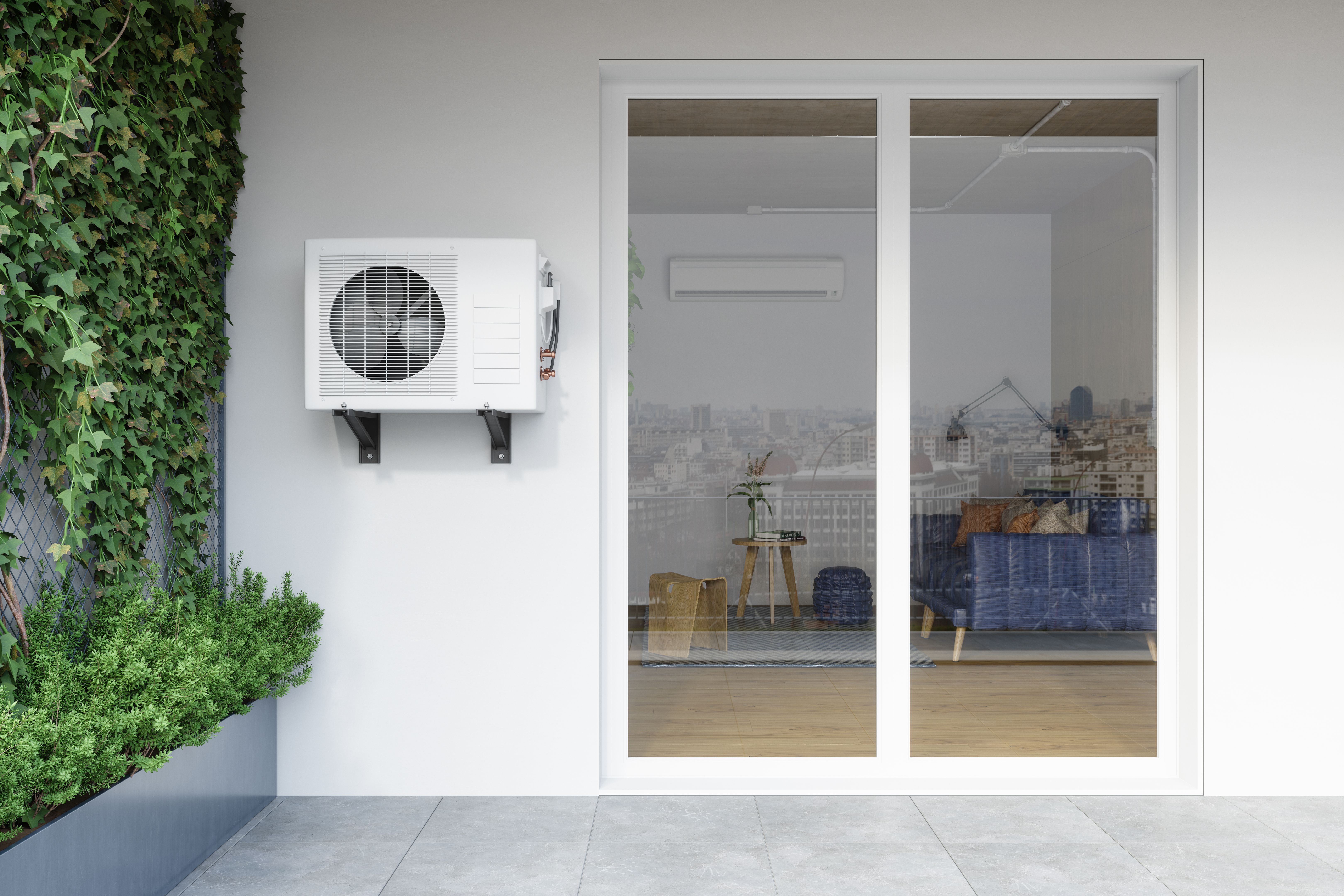
The outdoor unit of your HVAC system can become obstructed by leaves, dirt, or debris, affecting its performance. Make sure the area around the unit is clear and clean the fins gently with a hose if needed.
Inspect the fan and ensure it is spinning freely. A blocked or malfunctioning fan can cause your system to overheat, leading to more serious issues down the line.
Listen for Unusual Sounds
Strange noises coming from your HVAC system can indicate several issues. Banging, clanking, or grinding sounds might suggest loose or broken parts, while hissing could indicate a refrigerant leak.
While some noises might require professional attention, others could be resolved by tightening screws or replacing small components.
Review the Ductwork
Leaky or blocked ductwork can lead to inefficient heating or cooling. Check for visible leaks or obstructions in the ducts that could be impairing airflow. Sealing leaks with duct tape or mastic can improve system efficiency.
In some cases, professional duct cleaning may be necessary to remove build-up and further enhance airflow.
Conclusion: When to Call a Professional
While these DIY troubleshooting steps can resolve many common HVAC issues, some problems require the expertise of a professional. If your system still isn’t functioning correctly after attempting these steps, or if you notice issues like refrigerant leaks or electrical problems, it’s time to call in the experts.
Regular maintenance and timely repairs can keep your HVAC system running smoothly, ensuring comfort and efficiency in your home year-round.