
Comprehensive Guide to Energy-Efficient HVAC Systems for Phoenix Homes
RA
Living in Phoenix, where temperatures often soar above 100 degrees, having an energy-efficient HVAC system is not just a luxury—it's a necessity. With rising energy costs, it’s crucial to explore ways to keep your home comfortable without breaking the bank. This guide provides insights into selecting and maintaining an energy-efficient HVAC system tailored for Phoenix homes.
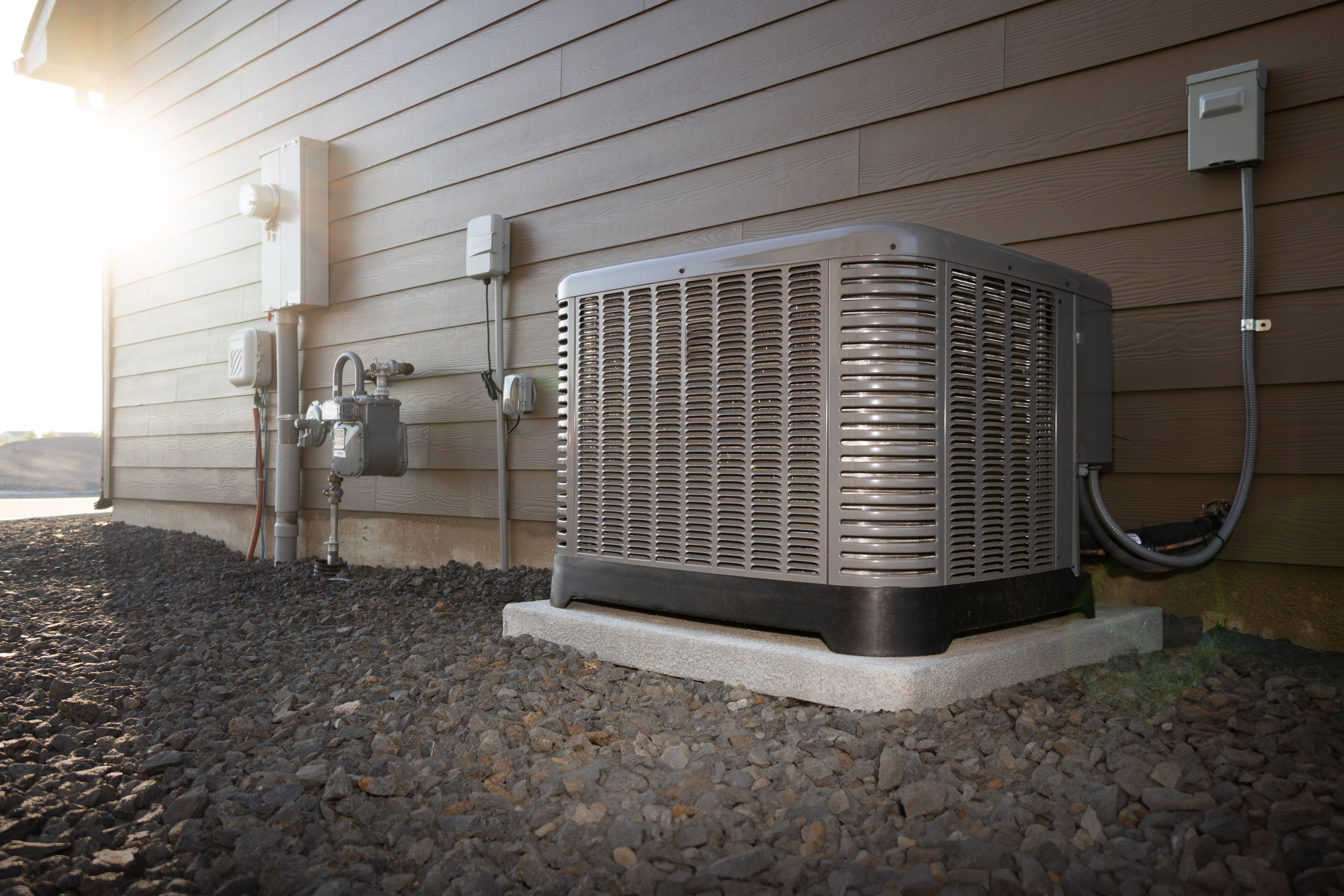
Understanding Energy Efficiency Ratings
When shopping for an HVAC system, one key factor to consider is the energy efficiency rating. The most common ratings include SEER (Seasonal Energy Efficiency Ratio) for air conditioners and HSPF (Heating Seasonal Performance Factor) for heat pumps. Higher ratings indicate better energy efficiency, which translates to lower utility bills.
For Phoenix homes, a SEER rating of at least 16 is recommended. This ensures that the system operates efficiently even during the hottest months, reducing both energy consumption and costs.
Choosing the Right Size
An HVAC system that is too small will struggle to cool your home, while one that is too large will cycle on and off too frequently, wasting energy. It's important to have a professional conduct a load calculation to determine the correct size for your home, taking into account factors like square footage, insulation, and window placement.
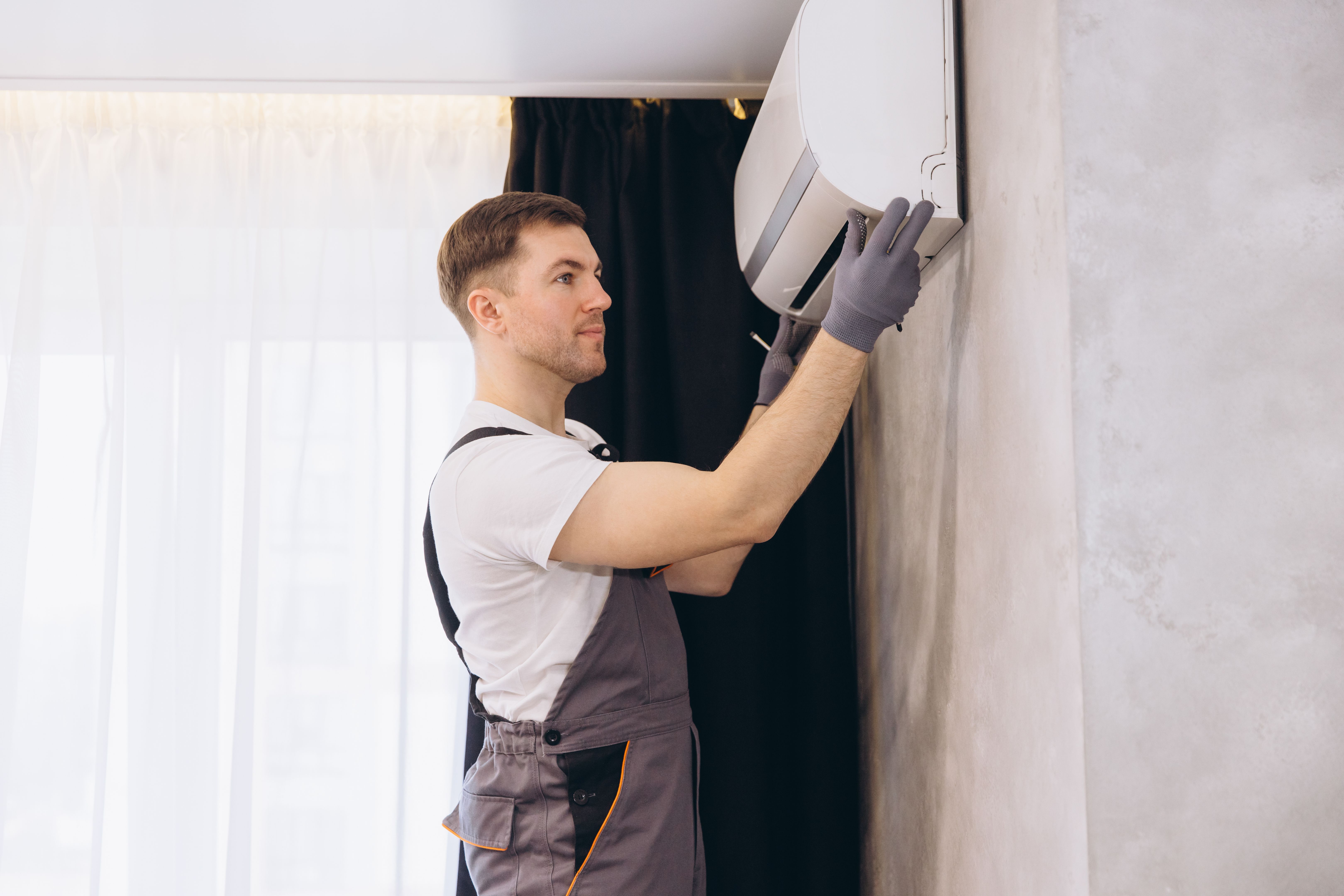
Benefits of Smart Thermostats
Integrating a smart thermostat with your HVAC system can significantly enhance energy efficiency. These devices learn your schedule and adjust the temperature automatically, ensuring comfort when you're home and energy savings when you're not. Many smart thermostats can also be controlled remotely via smartphone apps, providing convenience and additional savings.
By optimizing your HVAC system with a smart thermostat, you can reduce energy usage by up to 15%, contributing to lower utility bills and a smaller carbon footprint.
Regular Maintenance and Upkeep
Regular maintenance is vital to keep your HVAC system running efficiently. This includes changing air filters every 1-3 months, cleaning coils, and ensuring that all components are functioning properly. Scheduling annual professional inspections can help identify potential issues before they become costly repairs.

Exploring Alternative Cooling Options
In addition to a traditional HVAC system, Phoenix homeowners might consider alternative cooling options like evaporative coolers. These systems use water to cool the air, which can be more energy-efficient in dry climates like Phoenix.
However, it’s important to ensure that your home is well-sealed to prevent cool air from escaping and hot air from entering. Proper insulation and sealing are key components of an energy-efficient home.
Financial Incentives and Rebates
To encourage the adoption of energy-efficient systems, various financial incentives and rebates are available. These may include federal tax credits, state programs, or utility company rebates. It’s worth researching these options to offset the initial investment in a new HVAC system.
By taking advantage of these incentives, homeowners can enjoy the benefits of an energy-efficient system while reducing upfront costs.

Investing in an energy-efficient HVAC system is a smart decision for Phoenix homeowners. Not only does it provide relief from the intense heat, but it also offers substantial savings on energy bills. By understanding efficiency ratings, choosing the right size, utilizing smart technology, and keeping up with maintenance, you can ensure your home remains comfortable and cost-effective year-round.