
Comparing HVAC Systems: Which is Best for Phoenix's Climate?
RA
Understanding Phoenix's Climate
Phoenix, Arizona, is known for its extremely hot and arid climate. With temperatures frequently soaring above 100°F during the summer months, it’s crucial for residents to have a reliable HVAC system that can efficiently cool their homes. The dry heat also presents unique challenges that homeowners must consider when selecting the best HVAC system. Understanding these climate conditions is essential for making an informed decision.

Types of HVAC Systems
Central Air Conditioning
Central air conditioning systems are one of the most common choices in Phoenix. These systems are designed to cool the entire home by distributing air through a network of ducts. They are highly efficient for large homes and can be integrated with heating systems for year-round climate control. However, they require regular maintenance to keep ducts clean and ensure efficient operation.
Ductless Mini-Split Systems
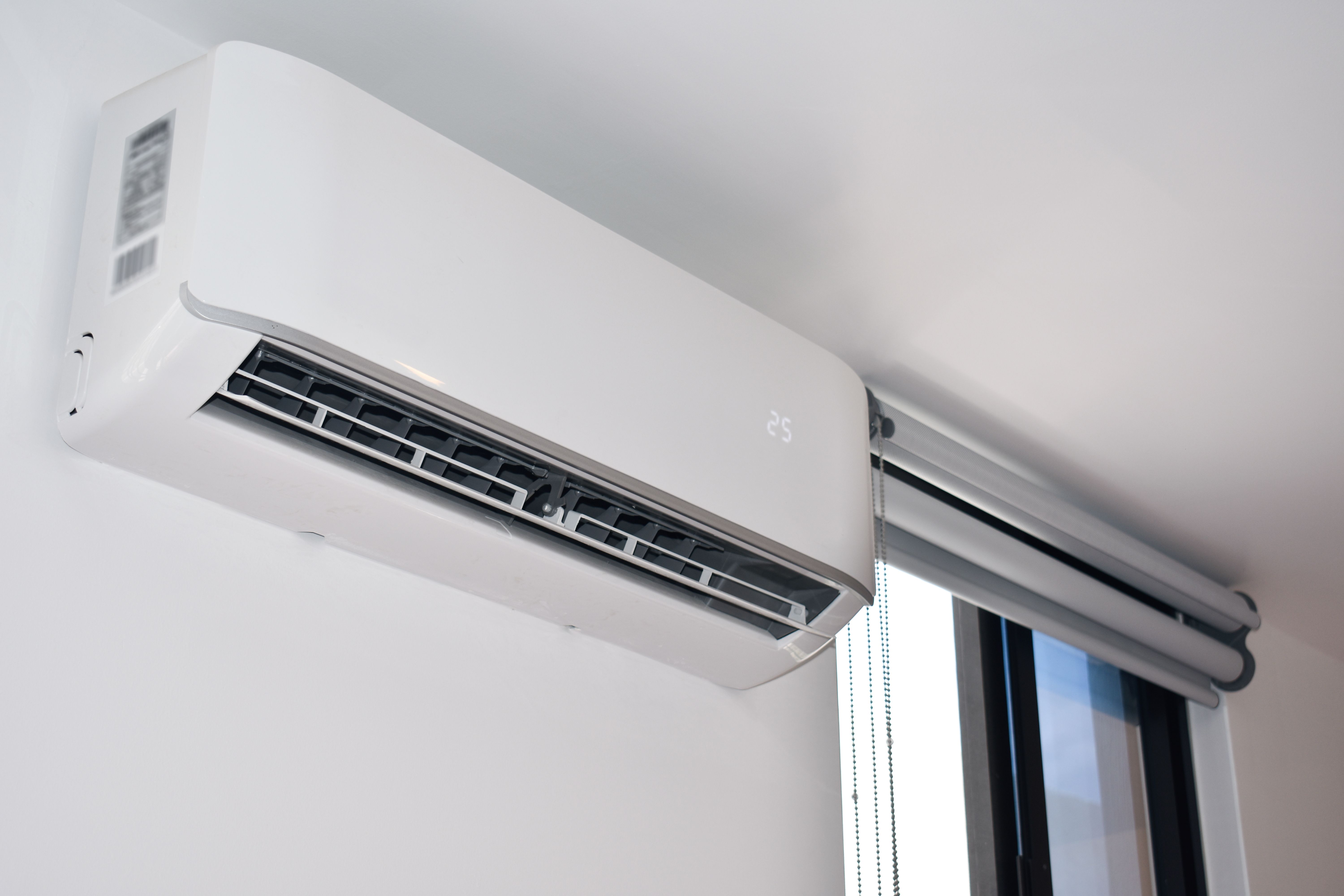
Ductless mini-split systems offer a flexible solution, especially for homes without existing ductwork. They consist of an outdoor compressor and indoor air-handling units, allowing for individualized climate control in different rooms. This can lead to energy savings as you can cool only the spaces you're using. Additionally, their installation is less invasive compared to central systems.
Heat Pumps
Heat pumps are another popular choice for Phoenix residents. Though traditionally used more in moderate climates, heat pumps have evolved to work efficiently in hotter regions. They offer both heating and cooling capabilities, making them versatile. Modern heat pumps have improved technology that allows them to function effectively even in very high temperatures.
Energy Efficiency Considerations
Given the long cooling season in Phoenix, energy efficiency is a paramount concern. Choosing an HVAC system with a high SEER (Seasonal Energy Efficiency Ratio) rating can lead to significant cost savings on energy bills. Systems with higher SEER ratings are generally more expensive upfront but tend to pay off over time through reduced energy consumption.

Cost Implications
The cost of installing and maintaining an HVAC system can vary significantly based on the type of system and specific household needs. Central air conditioning systems might have higher initial costs due to ductwork installation, whereas ductless systems can be more economical in homes without existing ducts. It’s important to weigh these costs against the potential energy savings each system offers.
Maintenance Requirements
Regular maintenance is essential to keep any HVAC system running efficiently. In Phoenix's dust-prone environment, filters need frequent changing, and systems should be inspected annually to prevent breakdowns during peak usage times. Investing in a maintenance plan can help extend the lifespan of your system and keep it running smoothly.

Conclusion
Choosing the right HVAC system for your home in Phoenix requires careful consideration of various factors, including climate conditions, energy efficiency, cost, and maintenance needs. Each system type offers distinct advantages, so it's essential to evaluate your specific requirements and consult with an HVAC professional to find the best solution for your home.
By understanding the unique demands of Phoenix's climate and the capabilities of different HVAC systems, you can ensure your home remains comfortable throughout the year while also optimizing energy use and minimizing costs.